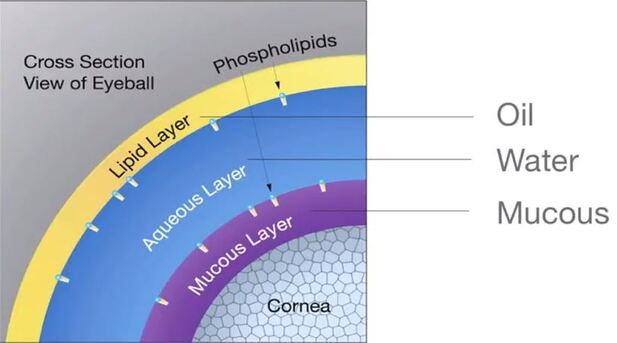
Dry eyes is a condition where the eyes (and its systems) do not make enough tears (or the wrong consistency of them) to help lubricate, protect, and nourish the eye. The constant inflammation of the eye results in patients complaining often of painful eyes, redness, irritation, and blurry vision. Vision becomes foggy and fluctuates. Good tears are required to help the function of the cornea (front clear part of the eye).
* Did you know Dry Eye Disease can cause your prescriptions to swing 10-25%!
Do I Have Dry Eye Disease? - Red Irritated Eyes - Prescription changes throughout the day - Scratchy Gritty Eyes - Burning Sensation - Poor Contact Lens Wear - Foggy vision - Feel a pinch from time to time
What Causes My Dry Eyes?
Many factors can all lead to Dry Eye Disease. Age, medications, hormone levels, diabetes, environment, computer use, contact lens wear, and other diseases such as Sjogren’s Syndrome, thyroid disease, or graves disease. As we age, our bodies generally produce less tears making it harder for us to keep a healthy tear film over and around our eyes.
What Are My Options?
While there is no known cure for dry eye disease we have many different options available to help with the comfort and health of your eyes. Our team works on a more holistic approach first before prescribing medications or other treatments. Below are links to information about some of our treatment options. Call us today or schedule online for a consult with Dr. Tahir.
While there are good medications indicated for Dry Eye Disease, nothing can beat natural healing if possible. Healing begins with clean healthy lids, proper tear film, and routine maintenance. Our office recommends BlephEx as a first line agent for all Dry Eye Patients. BlephEx helps to quickly and effectively remove dirt, debris, bacteria, and bioflim along the lid margin and lashes.